102 results for “cost shift“
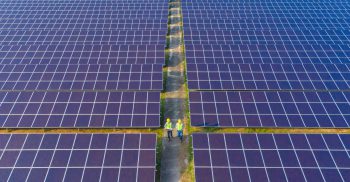
The Inflation Reduction Act Is Law, but Implementation Will Determine How it Works for Decades to Come
The landmark Inflation Reduction Act (IRA) has changed the trajectory of the U.S. energy market, sparking a projected five-fold increase in the size of America’s $33 billion solar and storage industry over the ...

REPORT: Shoring Up Cybersecurity Protocols for Distributed Energy Resources
Photo courtesy of SunPower For grid planners and operators working in today’s digital age, there are few words more frightening than cyberattack. In the energy sector, breaches by bad actors can cause infrastructure to ...

Analysis: Georgia Power Company Overcharges Customers by $1.87 Billion
WASHINGTON, D.C. — Joint testimony led by SEIA shows that for the last 11 years, Georgia Power Company has been drastically overcharging all utility customers, far exceeding the revenue level set by the Georgia Public Service Commission.
Supreme Court Slashes EPA’s Ability to Regulate Greenhouse Gas Emissions
WASHINGTON, D.C. — Today the Supreme Court issued a final decision on West Virginia v. Environmental Protection Agency (EPA), a historic case on EPA’s ability to regulate greenhouse gas emissions. Following is a ...

The New Solar+ Decade Roadmap: 30% by 2030
Executive Summary This roadmap offers a vision for the radical transformation and decarbonization of the U.S. electricity system. It articulates where the solar industry stands today, establishes new goals for the next decade and ...

30% by 2030: A New Target for the Solar+ Decade
In 2019, SEIA laid out a vision for the 2020s in our Roadmap for the Solar+ Decade. In that roadmap, we set a target for solar energy to reach 20% of generation by ...

National Solar Jobs Census 2020
Since 2010, the National Solar Jobs Census has been the definitive measure of solar energy industry employment in the United States, charting the growth of the solar workforce alongside the rise of solar energy as a major contributor to the U.S. energy supply and economy as a whole.
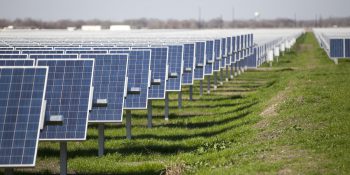
Taking the Next Step Toward Our Clean Energy Goals
The latest U.S. Solar Market Insight report makes it clear that the solar industry will see historic growth over the next decade. In fact, the report’s forecasts show the U.S. solar market will ...

Solar Market Insight Report 2020 Year in Review
The quarterly SEIA/Wood Mackenzie Power & Renewables U.S. Solar Market Insight report shows the major trends in the U.S. solar industry. Learn more about the U.S. Solar Market Insight Report. Released March 16, 2021.