The Energy Grid, Explained
In this video, Kevin Lucas, Vice President of Policy Analysis at the Solar Energy Industries Association (SEIA) addresses several common questions regarding the functionality and reliability of the modern energy grid:
Can the electric grid run only on baseload power?
The grid cannot be built entirely on baseload generation (like coal or nuclear) because these sources are inflexible and cannot quickly adjust output to meet fluctuations in energy demand. Baseload systems have high thermal inertia, making them slow to start or stop. A modern grid requires flexibility, which comes with a diverse pool of generation resources like solar and storage.
How do we make the grid more affordable and reliable?
A reliable grid requires a diversity of energy assets, similar to a financial portfolio. A robust energy mix should combine fuel-free sources with zero marginal cost—like wind and solar—with baseload generation that’s available when it’s needed as well as battery storage to bridge gaps and provide necessary flexibility.
Is solar energy predictable?
Yes. We know when the sun rises and sets every day, and grid operators are able to reliably predict the amount of solar energy they can count on every day given weather conditions and energy needs of the grid.
How does solar help grid reliability?
There are four primary benefits solar energy adds to grid reliability:
- Solar is most abundant during peak energy demand, which typically occurs during the day and afternoon.
- Solar has no fuel costs, meaning it is insulated from fuel price fluctuations which can send electricity prices from fossil fuels soaring when fuel supply is disrupted or demand is high.
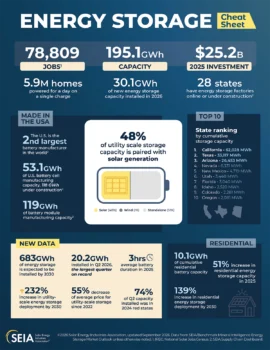
- Solar pairs perfectly with energy storage, allowing excess energy generated during the day to be used during the evening as the sun sets.
- Solar is flexible, scalable, and can be built anywhere: rooftops, parking lots, fields, and more.
related content
You May Also Like