Land Use and Solar Development
Last updated June 2026
energy leadership
Introduction
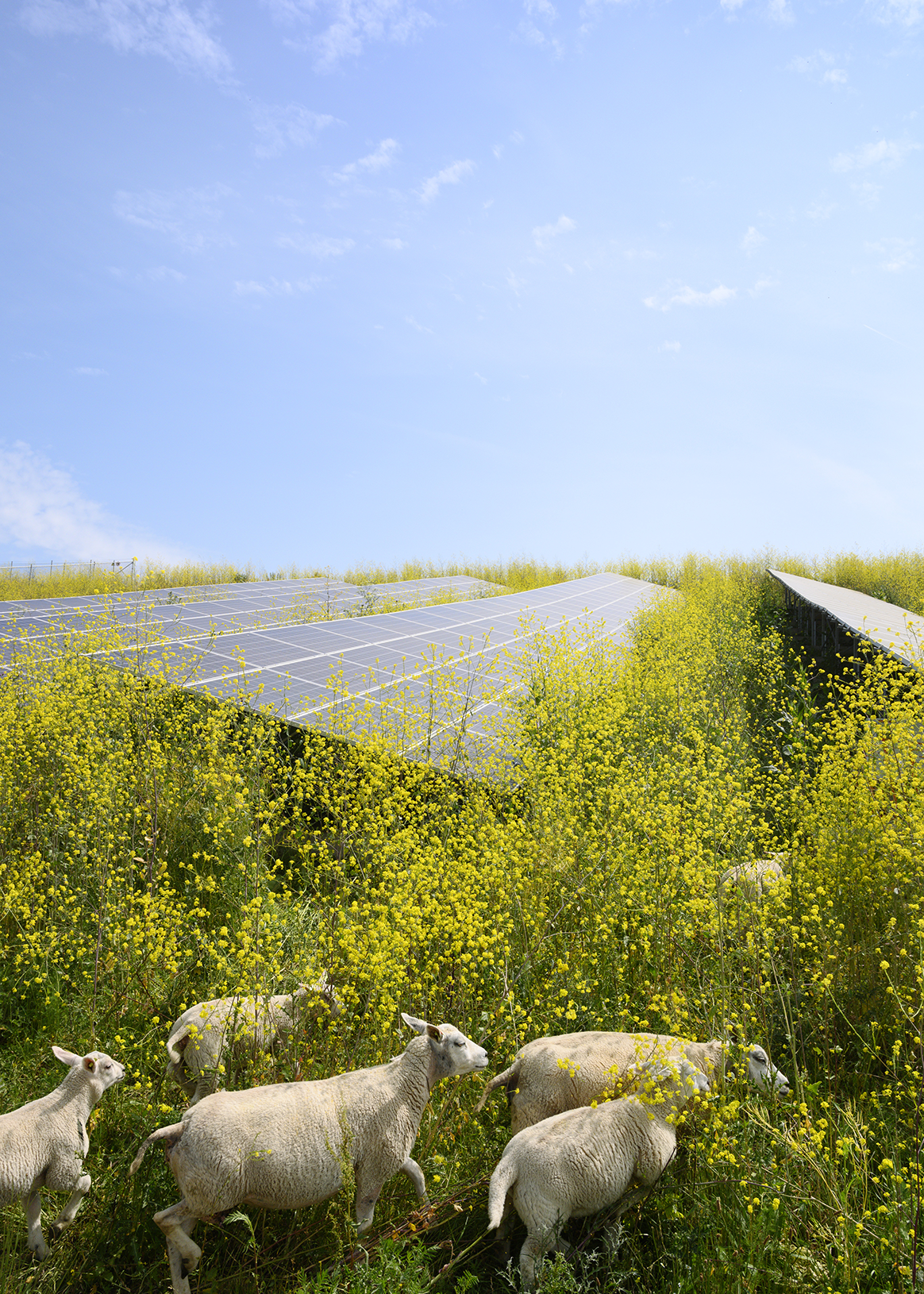
Communities, landowners, farmers, local officials, and solar and storage developers all have a shared interest in responsible land use. The solar and storage industry is committed to thoughtful development that balances critically-needed energy production, agricultural priorities, conservation, and community input.
Like every form of energy infrastructure, including pipelines, drilling pads, mines, transmission lines, and power plants, solar and storage projects require land. Siting decisions are made locally by landowners, county commissions, and zoning boards, which allows communities to shape development in ways that reflect local priorities.
In many cases, solar is one of the least disruptive forms of energy development while also providing stable, long-term income for farmers and rural communities. SEIA has developed extensive land use resources, research, and best practices to help communities make informed decisions about responsible solar and storage development.
Land Use Data
-
Total U.S. Land Area used by solar
0.04%
-
Total U.S. farmland land area used by solar
0.07%
-
Prime Farmland used by golf courses
2.6x higher than solar
-
Prime Farmland used by suburban sprawl 2014-2024
5.9x higher than solar


How Much Farmland Does Solar Actually Use?
Solar energy is increasingly scrutinized for its use of farmland. But the data tells a very different story.
This interactive map puts solar development in context by comparing prime farmland used for solar with other major land uses, including golf courses, suburban development, and abandoned farmland.
The takeaway: solar occupies a remarkably small share of America’s farmland, especially compared to permanent land conversion from low-density sprawl and recreational uses.
Key Findings
- Solar currently uses just 0.04% of total U.S. land area and 0.07% of U.S. farmland.
- There are zero states where solar uses more than 0.5% of prime farmland.
- Nearly every state has more abandoned prime farmland than solar-developed prime farmland.
- Golf courses use nearly 3x more prime farmland than solar.
- Suburban development uses roughly 6x more prime farmland than solar.
Why It Matters
America depends on land to grow food, build communities, and power our lives. Responsible land use means balancing all of those needs.
Unlike many forms of development, solar projects can provide long-term revenue for farmers, support dual-use agricultural practices in many regions, and remain a flexible land use option over time.
Explore the map below to see how solar land use compares in your state.
Access the full map including county-level data on the Sphere with your SEIA Membership →
Solar Uncommon Dialogue
In a landmark accord, major solar developers, conservation groups, agricultural organizations, environmental and environmental justice groups, and tribal entities have agreed to advance large-scale solar development while championing land conservation and supporting local community interests.
Read More ->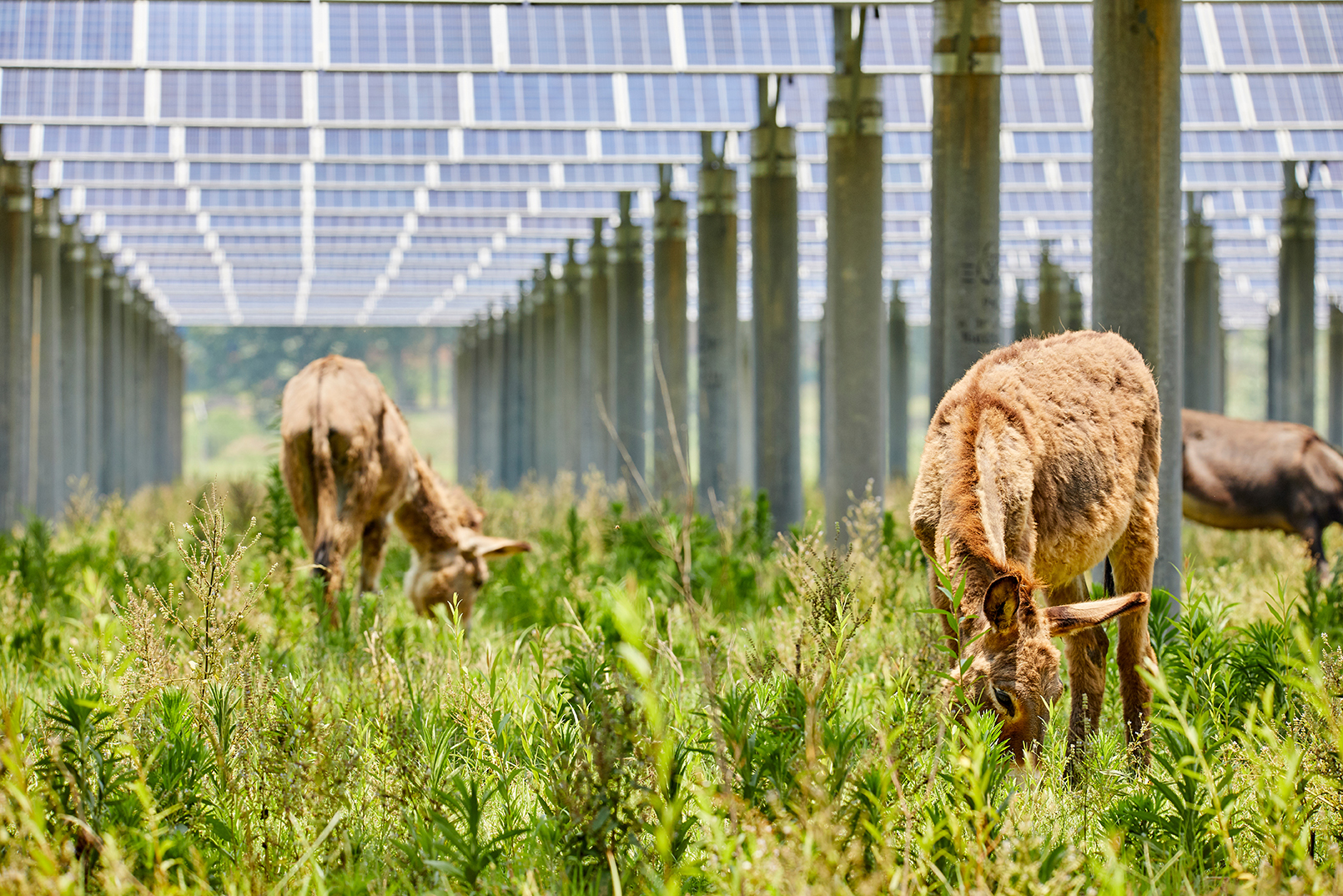
Solar Powers America’s Farmers with “Free Fuel”
Hear directly from America’s farmers on why they’re choosing to save with solar.
Land Use Priorities
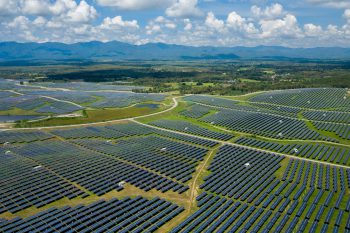
There is tremendous solar potential in the United States. In five minutes, enough sunlight shines on the continental U.S. to satisfy our electricity demand for an entire month. Research from the National Renewable Energy Laboratory shows that the entire U.S. could be powered by utility-scale solar occupying just 0.6% of the nation’s land mass.
A utility-scale solar power plant may require between 5 and 7 acres per megawatt (MW) of generating capacity. Like fossil fuel power plants, solar plant development requires some grading of land and clearing of vegetation. However, as utility-scale photovoltaics (PV) technology has improved over the last decade, projects are able to utilize land with much steeper slopes and no water access.
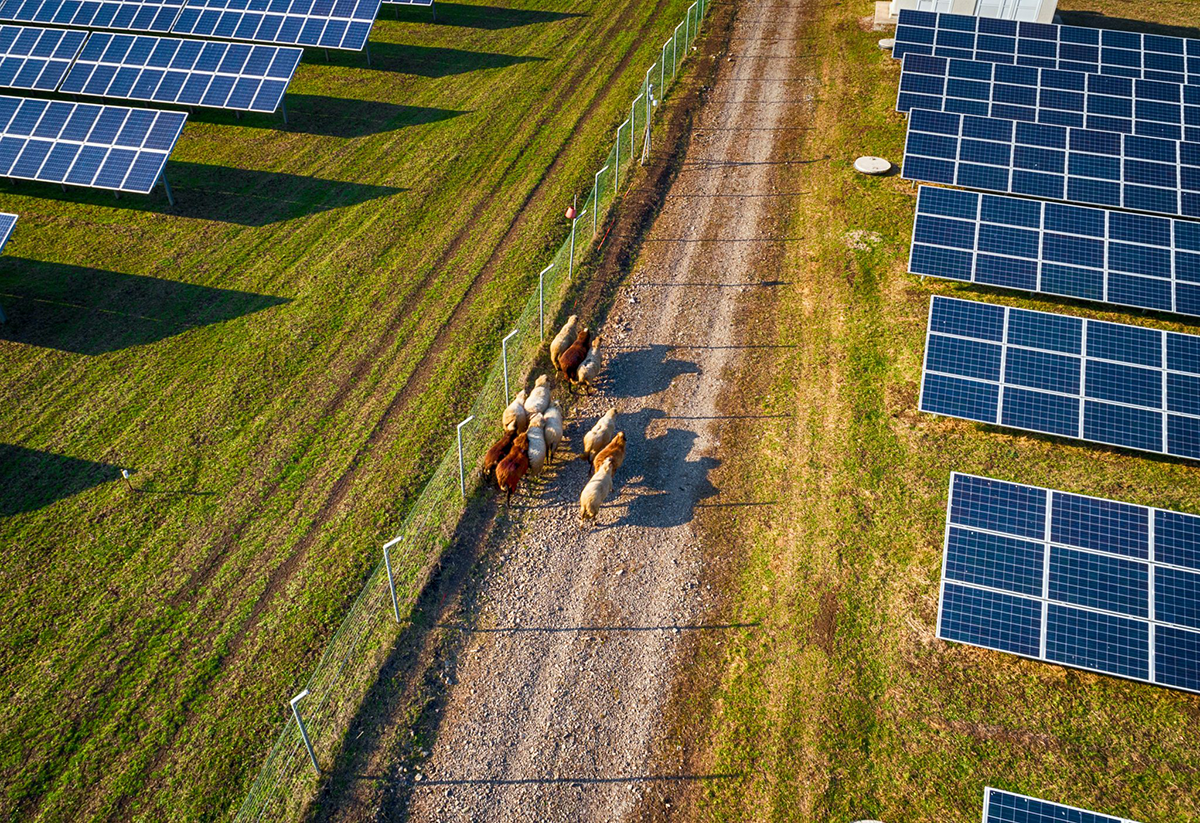
Siting and permitting a utility-scale solar project is a complex process. Land use, access to transmission, wildlife concerns and others must be considered, and securing access to a suitable site is only the first step in the siting process. Solar projects are subject to strict review processes through federal, state, and local regulators. Solar companies provide detailed project construction plans, conduct numerous environmental studies, and propose mitigation strategies to aid in this process. These practices, as well as today’s utility-scale solar power technologies, ensure that any environmental impact is minimized.
The majority of utility-scale solar projects are located on privately-held land. When a project is proposed on private land, various state and local agencies must grant the necessary approvals prior to construction. The siting and permitting process can take more than three to five years to complete. SEIA supports the adoption of best practices and policies that streamline the siting and permitting of worthy projects.
When solar projects are proposed on federal land managed by the U.S. Bureau of Land Management (BLM), the BLM, in coordination with other agencies such as the U.S. Fish and Wildlife Service and state and local authorities, is authorized to permit the development of solar and other energy projects. SEIA supports the use of federal land for solar development and is actively engaged in BLM’s process for crafting the rules that govern how a solar project is permitted and built.
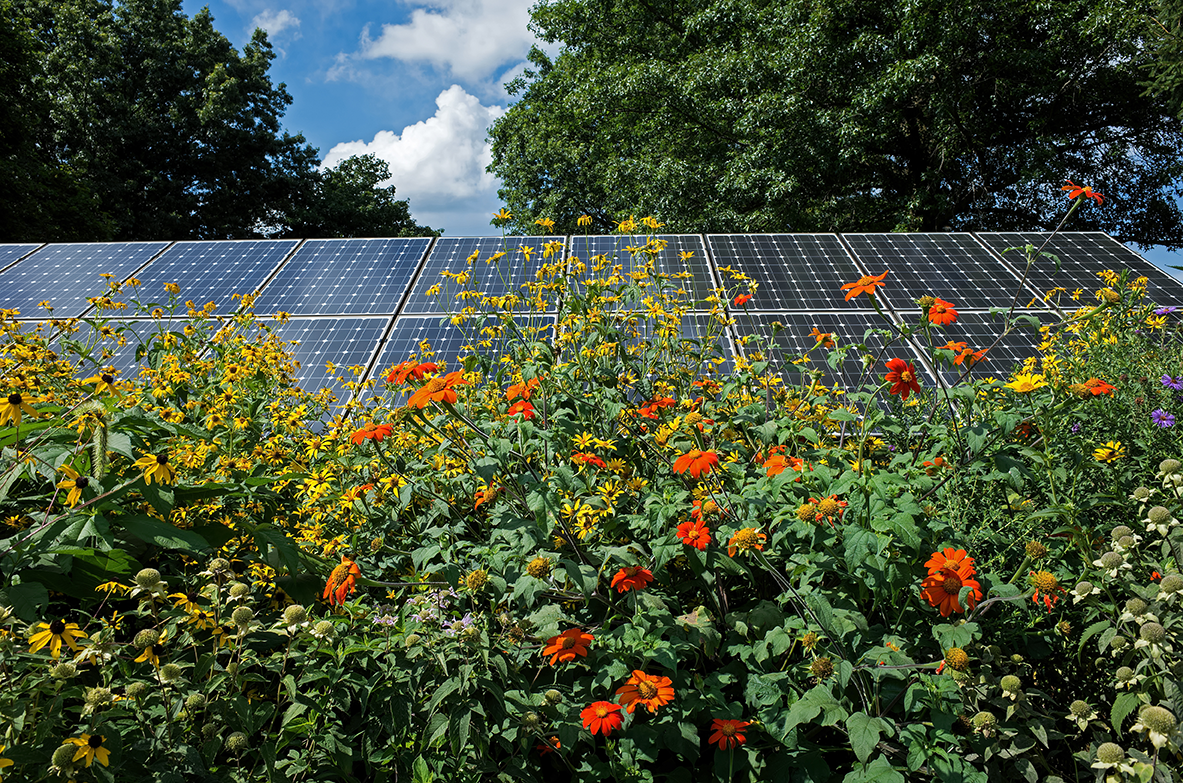
Environmental review of a proposed solar project on public land can take as long as three to five years. This time period is typically less for projects on private land. Many areas ideal for utility-scale development are on public lands overseen by the BLM. To build on public lands, developers must obtain a right-of-way (ROW) from the BLM. Applications for a ROW grant or lease undergo a strict environmental review process, as required by the National Environmental Policy Act of 1969 (NEPA).
During the application process, companies provide detailed project development plans, preliminary environmental assessments and mitigation strategies, among other documents. The BLM, in coordination with state and local authorities, conducts analyses of the site and holds public hearings with members of the community to gauge the impact of the project on the area. An official Environmental Impact Statement (EIS) is issued for each project before an official Record of Decision is announced.

Land Use
Resources
resources
All Resources ->View SEIA Research Archives
Explore historical reports covering the solar and storage industry's growth


Data References
- Soil Survey Staff. Gridded Soil Survey Geographic (gSSURGO) Database for the Conterminous United States. United States Department of Agriculture, Natural Resources Conservation Service. Accessed 2026-03-30.
- Fujita, K.S., Ancona, Z.H., Kramer, L.A., Straka, M., Gautreau, T.E., Garrity, C.P., Robson, D., Diffendorfer, J.E., and Hoen, B. United States Large-Scale Solar Photovoltaic Database (v4.0, April 2026): U.S. Geological Survey and Lawrence Berkeley National Laboratory data release.
- U.S. Geological Survey. Annual National Land Cover Database (NLCD) Collection 1 Products (ver. 1.1, June 2025): U.S. Geological Survey data release.
- USA Golf Courses. (2021). Adapted from Esri's USA Large Area Landmarks [Feature Service]. ArcGIS Online. Retrieved March 30, 2026.
- - Zhang, X., Lark, T. J., & Clark, C. M. (2024). Cropland abandonment between 1986 and 2018 across the United States: spatiotemporal patterns and current land uses. Environmental Research Letters, 19(5).